If you have valuables, such as expensive jewellery, bullion, or important documents, you can store them in a safe deposit box. You can choose a safe deposit box located at a bank or a private institution, and before you do so, you need to compare the two. After the comparison, you’ll discover the reasons that so many people choose private secure storage instead of banks.
Privacy and Safe Deposit Boxes
If you rent a safe deposit box at the bank, you will have to provide lots of information. Australian banks require a variety of documents to open an account, and they also have access to financial information. Banks aren’t afraid to use that information. For example, if you overdraft your account, the bank might not let you access your safe deposit box.
If you choose a private company, you will benefit from privacy. You will have to fill out an application, provide an ID, and provide proof of address, but that’s it. The company won’t have access to your financial information. Also, most private companies won’t share any private information without a search warrant.
Some may find that storage of valuables within their chosen bank is beneficial, or even convenient. It’s up to the individual and how they value the additional privacy of a private facility.
Regulations for Banks and Private Companies
If you open a safe deposit box at the bank, you will have to worry about Banking Law Regulations and government restrictions. The bank has control over your safe deposit box and will even have a set of keys to it.
Fortunately, you can avoid this problem by using private secure storage. Your key is required to open the safe deposit box. The institution does not own the box. You do.
Private secure storage facilities generally offer top-notch security. That includes physical and electronic security to ensure that your items are safe.
Security
Many banks are behind when it comes to security. They typically have basic security systems, so your valuables may be at risk. If something does happen, the bank likely won’t compensate you for it. Instead, you’ll need to cover your items on your homeowner’s insurance policy to protect your financial interests.
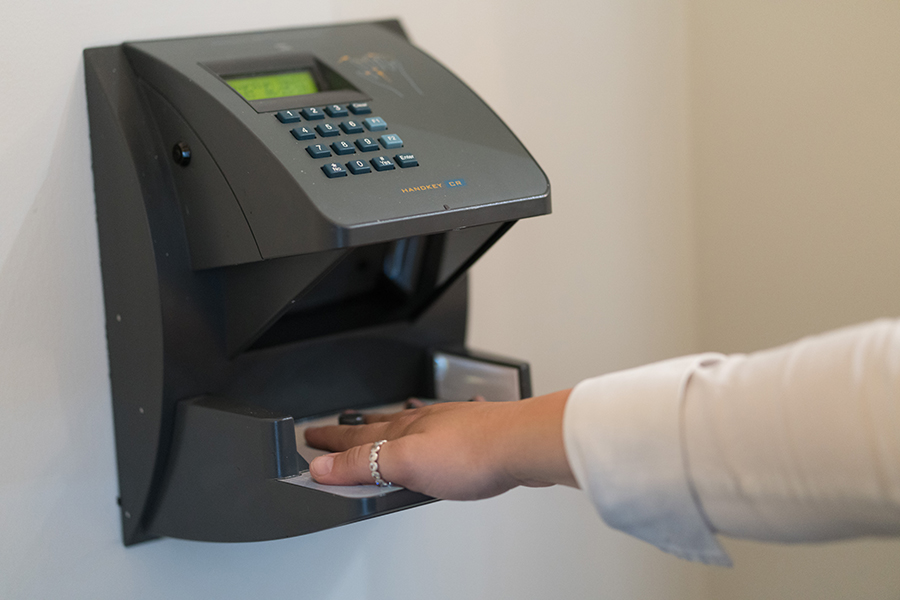
Biometric security is a feature often utilised by private Safe Deposit Box Facilities.
Private secure storage facilities generally offer top-notch security. That includes physical and electronic security to ensure that your items are safe. Also, many insure the contents of the safe deposit box, so if anything does happen, you will be covered.
It can be considered however that banks have more stability due to their size and the tendency of governments to support them during hard times. Private companies can then be perceived as more vulnerable to volatile economic conditions. Bankruptcy or other events however will not affect your valuables in storage in a private facility such as Guardian Vaults.
Accessing the Safe Deposit Box
If you have a safe deposit box in a bank, don’t expect to have unlimited access. You will need to make an appointment during banking hours to get into your box, and the bank might only let you access it a set number of times each month or year. That is very frustrating.
You won’t have these problems if you use private secure storage. Private companies tend to keep longer hours and can include Saturday hours. An advantage however, of choosing a bank Safe Deposit Box can be more varied locations. This can be a deciding factor, as private secure storage businesses typically have one facility.
Private Secure Storage — The Clear Winner
When you compare private secure storage and banks, the winner is clear. The benefits of using private secure storage add up, making it the right choice for those valuing privacy and high security in storing their valuables.
For assistance in finding the right secure storage option for you, contact a Guardian vaults consultant by clicking here.